
OnlyFans free pages begin with a zero-dollar signup, yet the card verification hold catches nearly every new subscriber off guard. The process is routine and short-lived once you understand it. BestOnlyFans readers ask about this constantly, so this guide walks through exactly what happens when you enter a card to follow a free page. BestOnlyFans refreshes its rankings every month.
Why Payment Details Are Required
The core question is simple: why does a page with a $0 subscription ask for payment details at all? Once you understand the hold mechanics, the pending line on your statement stops looking alarming.
Why Free Pages Still Require Payment Card Entry
- Age verification for adult content access, which regulators expect platforms to enforce
- Identity fraud prevention, since stolen cards are harder to attach to real accounts
- Enabling frictionless future pay-per-view purchases without re-entering details
- Satisfying payment processor terms of service that require verified cardholders
- Creating account recovery pathways tied to a financial identity
Compliance and Business Reasons
OnlyFans asks for payment details because every account is treated as a potential buyer, and adult content access requires age verification. The card confirms you are an adult with a valid financial identity, even when the subscription itself costs nothing.

Free pages set their price to $0 and earn through tips and pay-per-view messages instead. That model only works if a card is already on file, so the platform validates it up front.
Why No Subscription Fee Is Possible
None of these steps charge you. They establish that the card is real and belongs to a consenting adult. A page owner who sets a $0 base price cannot collect a subscription fee because the platform has no mechanism to bill a free subscription.
The $0.10 Hold: What Your Bank Shows and Why
It exists purely as a validity check. The platform confirms the card is active and that billing details match, not collecting a fee for the free subscription.
How the Hold Appears Over Time
What you see depends on the timeframe. Most subscribers spot the pending line within minutes, then watch it vanish by the end of the week.
| Timeframe | Bank Display | Subscriber Action |
|---|---|---|
| Immediate | Pending $0.10 authorization appears | None needed |
| 24 hours | Hold still pending, sometimes labeled generically | Confirm the page loaded correctly |
| 3-5 days | Hold released or about to release | Check statement once |
| Resolved | Line disappears entirely, no posted charge | Nothing further |
Screenshot the pending hold on the day you sign up. If it somehow posts as a real charge later, that timestamped image makes a bank dispute straightforward.
The refund is automatic. If the hold still shows after about a week, that is unusual and worth a quick call to your bank. Ten cents is not a fee, a deposit, or a trial payment — it is a reservation your bank releases on its own schedule.
How Card Holds Differ from Actual Charges
An authorization hold is a reservation, not a payment. Your bank sets the $0.10 aside temporarily, shows it as pending, and releases it once the merchant completes validation. A real charge moves from pending to posted and stays on your statement.
The Five-Stage Processing Sequence
- OnlyFans places an authorization request when you submit your card
- Your bank reserves the $0.10 against your available balance
- The pending transaction becomes visible in your banking interface
- The hold releases automatically after validation, typically within days
- The line disappears completely, unlike a real purchase that settles and posts
Knowing which stage you are looking at removes most anxiety. A pending $0.10 is never a subscription fee, because a free page’s base price is $0.
Platform Revenue Split
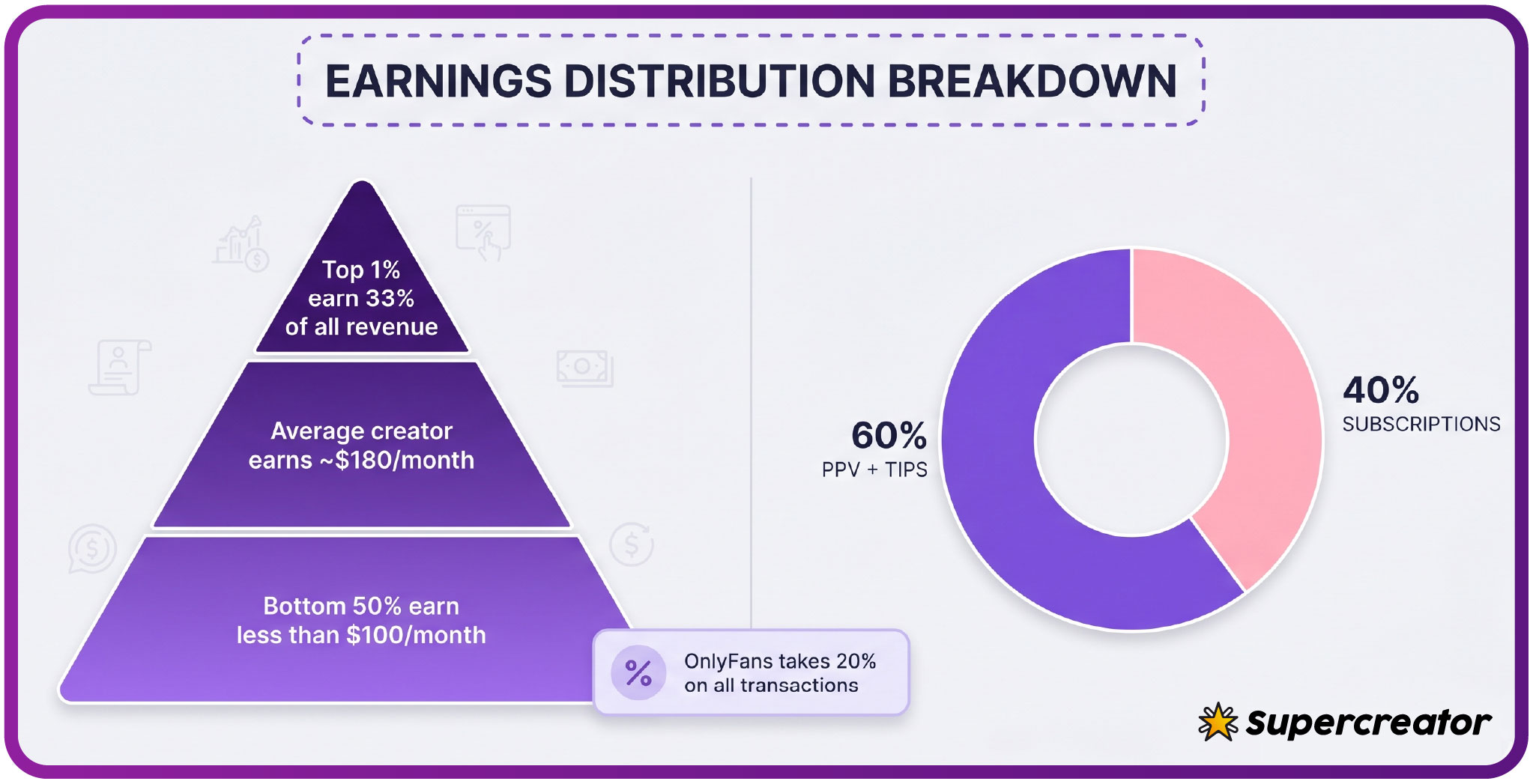
The same logic applies when you later buy a subscription: the platform takes a 20% cut and the creator keeps 80%. Paid subscriptions run from $4.99 to $49.99, with most clustering between $5 and $10.
Variations in Hold Display Across Banking Providers
Banks handle the same hold in surprisingly different ways. Some show it instantly, others wait for nightly batch processing, and a few bundle small authorizations under a generic descriptor.
- Immediate visibility with a clear pending label
- Delayed appearance until the nightly batch runs
- Aggregation with other holds under one generic descriptor
- Text alerts triggered by any card activity
- Mobile app refresh delays that keep showing a hold already released
Credit unions often lag behind large national banks by a full business day. Digital wallets vary even more, since some hide pending authorizations from the main transaction feed.
Resolving Statement Discrepancies
If your banking app and your online statement disagree, trust the statement. It updates on a slower, more authoritative schedule, and it is the version your bank will reference if you ever need to raise a dispute.

Completing Signup Without Confusion or Abandonment
The registration flow takes a couple of minutes. You enter your card on the payment step, the system runs the $0.10 validation, and access unlocks once it succeeds.
Abandonment usually happens when someone sees the pending hold and assumes they were charged. They close the tab mid-flow, the account stays incomplete, and a second attempt triggers another authorization.
Why Discovery Requires Third-Party Sources
Part of the confusion comes from how hard it is to browse the platform at all. OnlyFans has no built-in discovery feed or directory, so ranking sites like BestOnlyFans exist to fill that gap. Similar editorial projects, such as this overview of onlyfans free croatia listings, cover free-page access in the same plain, informational style.
Follow the flow in order: enter the card once, wait for the hold to appear, confirm the page loads, then leave it alone. Do not retry the same card repeatedly while a hold is pending.
Protecting Your Card Information on Free Registrations
Free signups attract phishing attempts precisely because the stakes feel low. The safest habit is to start typing the address yourself rather than clicking a link from social media.
Security Checklist Before Submitting Details
Run through these verification steps before submitting card details anywhere:
- Confirm the URL is the official domain
- Check for a valid SSL certificate shown by the lock icon
- Avoid signup links from unverified sources
- Use a dedicated low-limit card when possible
- Monitor for any actual charge beyond the expected $0.10 hold
Card data on legitimate free registrations is stored for future purchases. That is why a compromised card is more serious than a stray $0.10 authorization. Enabling two-factor authentication adds a second barrier that a stolen card alone cannot bypass.
When Holds Fail and What Blocks Free Signup
A hold can fail even when your card is perfectly healthy. Declines usually reflect card type, region, or repeated attempts rather than a lack of funds.
Common Blocking Factors
- New prepaid cards not registered to a billing address
- International cards from unsupported regions
- Accounts with holds pending from earlier attempts
- Bank-level merchant category blocks on adult services
- Virtual card services that disable authorization holds by policy
Bank-level blocks are the quietest. Some cardholders never see a decline message because the refusal happens silently on the issuer’s side.
If attempts keep failing, try a standard debit or credit card from a mainstream bank. Space out retries by a day or more, and check whether an earlier pending hold is still sitting on the account.
Managing Multiple Free Page Signups With One Card
Each free signup can trigger its own $0.10 authorization, so five pages in one afternoon may produce five pending lines. The amounts are small, but the clutter confuses people who are not expecting it.
| Signup Scenario | Hold Behavior | Management Tip |
|---|---|---|
| Single free signup | One $0.10 hold, released in days | Note the date and move on |
| Multiple free signups same day | Separate holds may appear individually | Wait for all to clear before retrying any |
| Mixed free and paid signups | Hold plus a real charge at $4.99 minimum | Separate pending lines from posted ones |
| Signup after long inactive period | Fresh hold even on an old account | Expect re-validation after dormancy |
Pricing Mechanics Summary
Promotional first months can dip below $4.99, though base prices never do. If a creator raises their price later, auto-renew stops and existing access lasts until the paid period ends.
On free pages none of the pricing mechanics apply, since the base price stays at $0 and earnings come from tips and pay-per-view messages up to $50 each. Paid chat commonly runs $3 to $5 per message. A verified card on file matters even for accounts that never pay a subscription fee.
Tracking Your Signups
Keeping a simple note of signup dates, pending holds, and release windows prevents almost every billing surprise. Subscribers who track those three details rarely need to contact support or their bank.
FAQ
Will I ever be charged the $0.10 verification hold permanently?
No. It is released automatically within days and never posts as a settled charge on a free page signup.
How long should I wait before contacting my bank about a lingering hold?
Give it five to seven business days. After that, a quick call to your bank is reasonable. Most holds clear well before that window closes.
Can I use a prepaid gift card to avoid holds on free OnlyFans pages?
Usually not. Many prepaid cards lack a registered billing address, and some reject authorization holds by policy. A standard debit or credit card works far more reliably.
Does the verification hold affect my available credit or account balance?
It can reduce available balance by $0.10 while pending. The effect is negligible, and the amount returns as soon as the bank releases the authorization.